The Center for Writing Studies hosts events each semester designed to support writing and writing-related research. These events include:
- Research & Teaching Events: Events designed to support people researching and/or teaching writing
- Gesa E. Kirsch Graduate Symposium: Annual research forum where Illinois graduate students—working on topics within writing, rhetoric, literacy, discourse, media, and communication—present work-in-progress
- Symposium: Day long or multi-day events in which invited speakers give research talks and facilitate workshops on topics of interest to the CWS community
- Graduate Research Forums: In fulfillment of writing studies graduate concentration requirements, CWS graduate students present their dissertation research to members of the Center's community.
Below are examples of past CWS-hosted events. A full list of past events can be viewed in Box.
Research & Teaching Events
Supporting writing-related research and teaching
Lesson Plan Swap
Instructors exchange teaching strategies and classroom activities on writing instruction and multimodal composition
Art of Research Storytelling
Cross-disciplinary speakers present humanities-inspired methods for engaging research communication
Bess Myers: Plato's Rhetorical Universe
Examination of what rhetorical theory misses by overlooking Plato’s Timaeus and how it reshapes “classical” rhetoric today.
Toby Beauchamp: Embracing Trans Regret under Authoritarianism
Discussion of how openly embracing complex feelings offers an important response to authoritarian attacks on trans life
Carol Tilley: Finding Kids in (Sometimes) Unexpected Places: Children, Comics, & Archives
How children’s authentic voices can be uncovered in young people’s comics in the mid-20th century.
Lindsay Rose Russell: Preparing for the Job Market
Overview of the academic job market to help CWS graduate students prepare for jobs in writing-related fields
Christine Tardy: Creativity, Genre Innovation, and Academic Writing
A talk on how innovation and creativity shape academic writing genres, illustrated through classroom research and implications for writing instruction.
Gesa E. Kirsch Graduate Symposium
Organized by graduate students for graduate students featuring a CWS alum keynote speaker
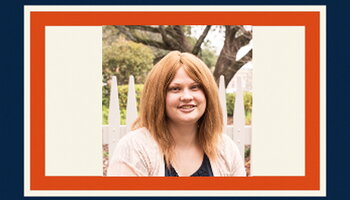
2024: Amber Buck
Keynote Amber Buck described and analyzed the digital literacy practices of one grassroots community group responding to redistricting.
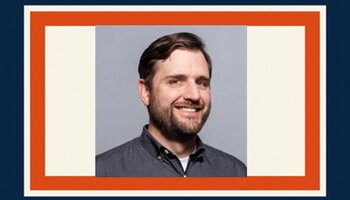
2020: Jonathan Stone
Keynote Jonathan W. Stone invited a rhetorical journey, connecting memory, history, and the archive with place, sensation, and the lived experience of (and resistance to) change.

2021: Eileen Lagman
Keynote Eileen Lagman reflected on what it means to study literacy in a cultural moment characterized by precarity, grief, and loss.

2018: Kevin Roozen
Keynote Kevin Roozen spoke on “Tracing Mediated Action through the World: Understanding the Enduring Consequences of Acting with Inscriptions.”
Graduate Research Forums
Dissertation presentations from CWS Graduate Students
Bri Lafond
In this talk, Bri Lafond explicates the multimodal composing practices of two YouTube video essayists to demonstrate how algorithmic surveillance constrains discursive possibilities for creators, while also highlighting how these creators resist that surveillance through "queer use" of the platform.
Logan Middleton
In this talk, Logan Middleton argues that prison educators mobilize complex and highly situated literacy practices to circumnavigate state power and sustain educational commitments to incarcerated students in the face of state violence.
Megan Mericle
In this talk, Megan Mericle explores tensions between the possibilities of citizen science for recognizing nontraditional, lifelong pathways to scientific becoming and the failures of citizen science in addressing histories of scientific exclusion and exploitation.
Carrie James
In this talk, Carrie James discusses interventions in pre-service teacher trainings that aimed to foster empathetic instructional practices designed to embrace and sustain students’ out-of-school literature practices, funds of knowledge, and cultural heritages.
Ryan Ware
In this talk, Ryan Ware argues that Writing Studies needs flexible, theoretically-grounded methods to trace becoming across lifespan trajectories, methods that support dialogic openings, and deepenings and enrichment of individuals’ storied experiences with lifespan writing.